
Wide-Width Screen Stenter Machine
Heat setting machine for polyester, nylon and other synthetic fiber screens (mosquito netting, print backing cloth, industrial filter mesh) - ensures dimensional stability, flatness and physical performance.
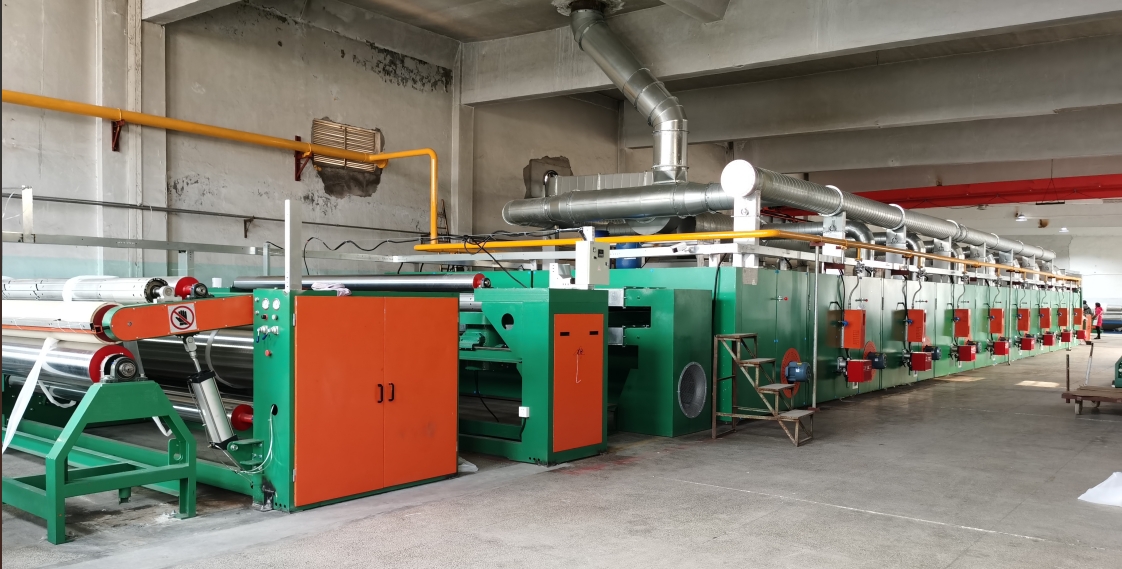
Key Advantages
- For polyester, nylon and other synthetic fiber screens
- Heat setting for mosquito netting, print backing cloth, industrial filter mesh
- Dimensional stability and high flatness
- Meets strict high-precision industrial requirements
- Key process for improving product quality
TECHKey Specifications
| Model / series | ZH928-400 |
|---|---|
| Nominal width | 120-380cm |
| Machine speed | 5-60m/min |
| Typical running speed | 30-40m/min |
| Heat source | natural gas |
| Oven | Configured to customer needs |
| Materials | Polyester, nylon and other synthetic fiber screens |
| Typical products | Mosquito netting, print backing cloth, industrial filter mesh |
| Process | Heat setting, dimensional stability, high flatness |
USEApplications
Heat setting machine for polyester, nylon and other synthetic fiber screens (mosquito netting, print backing cloth, industrial filter mesh) - ensures dimensional stability, flatness and physical performance.
PROCWhat this wide-width screen stenter does
Published USE: heat setting for polyester, nylon and other synthetic fiber screens—mosquito netting, print backing cloth, industrial filter mesh—aimed at dimensional stability, flatness and physical performance.
Typical path: infeed / open-width → pin or clip entry → heat-set chambers → cool / exit → rewind or plait. Width and overfeed settings decide residual shrinkage and bow; chamber count follows the order.
Heat source on this page’s TECH is natural gas. Oven is configured to customer needs—length and zone layout are locked with samples, not guessed from mechanical top speed.
READHow to read the TECH table
Model ZH928-400 is the published wide-width screen series; factory sub-IDs follow the contract.
Nominal width 120–380 cm; machine speed 5–60 m/min; typical running speed 30–40 m/min. Top speed is a mechanical band—mesh density, residual oil, and target flatness usually set the stable window below max.
Confirm fiber type, greige width, target residual shrinkage, and heat source before locking pin-plate and chamber layout.
PATPublished patent process points
Four-roller weft straightening (publication CN118029121A): public text describes a four-roller weft-straightening direction useful when screen or mesh must enter heat-set with less skew or bow risk.
Heating roller with tension feedback (publication CN220750679U): uses tension feedback so infeed/outfeed speed difference can keep fabric tension steadier through heated sections.
Preheating drying room (publication CN220062458U) is a related published oven-side direction when preheat is part of the proposal. Category notes: Stenter machinery. Patent numbers are technical directions only—not present legal-force claims.
See the related patent list on Patents & honors.
CMPRScreen vs filter-cloth vs multi-function
This page: wide screen / mesh heat-set (mosquito netting, print backing, industrial filter mesh) with gas heat and oven configured.
Extra-wide filter cloth cylinder stenter: extra-wide filter cloth, thermal oil, no oven, slow speed band for pore/strength balance.
Multi-function stenter: apparel / home / technical fabrics (synthetic, knit, nonwoven, coated) on a narrower width platform.
FITUsually a fit / usually not
Usually a fit: polyester/nylon screens needing stable width and high flatness; width inside 120–380 cm; willingness to sample residual shrinkage and lock chamber count.
Usually another page: extra-wide filter bags needing cylinder setting without oven (stenter-02); general apparel finishing without screen focus (stenter-03); coating-only programs (Coating).
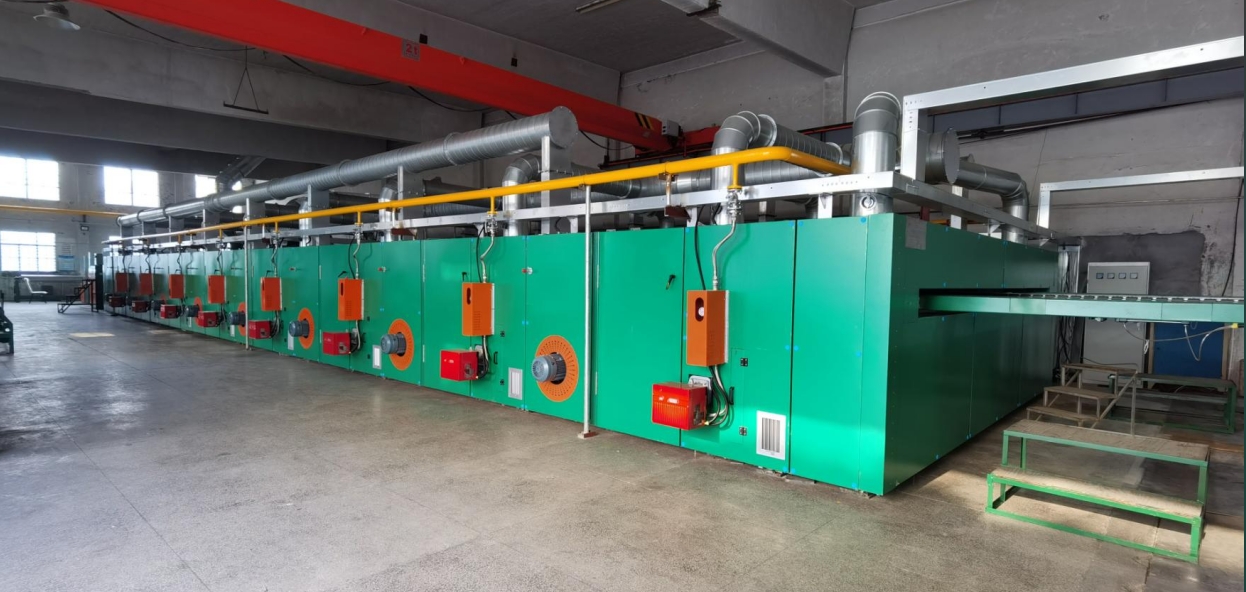
MACHMachine Photos
Related Products
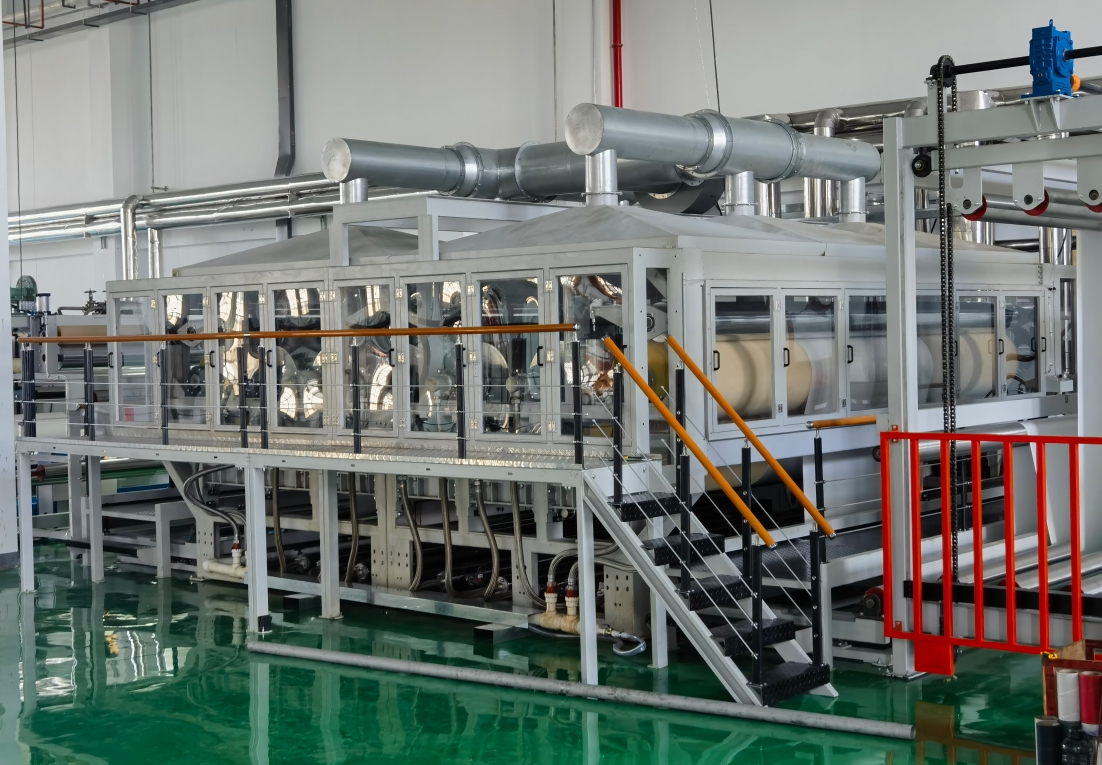
Extra-Wide Filter Cloth Drying Cylinder Stenter
Specialized heat setting machine for industrial filter cloth (polyester, polypropylene, nylon) - high temperature and tension control give stable dimensions, even pores, better mechanical performance and filtration accuracy.
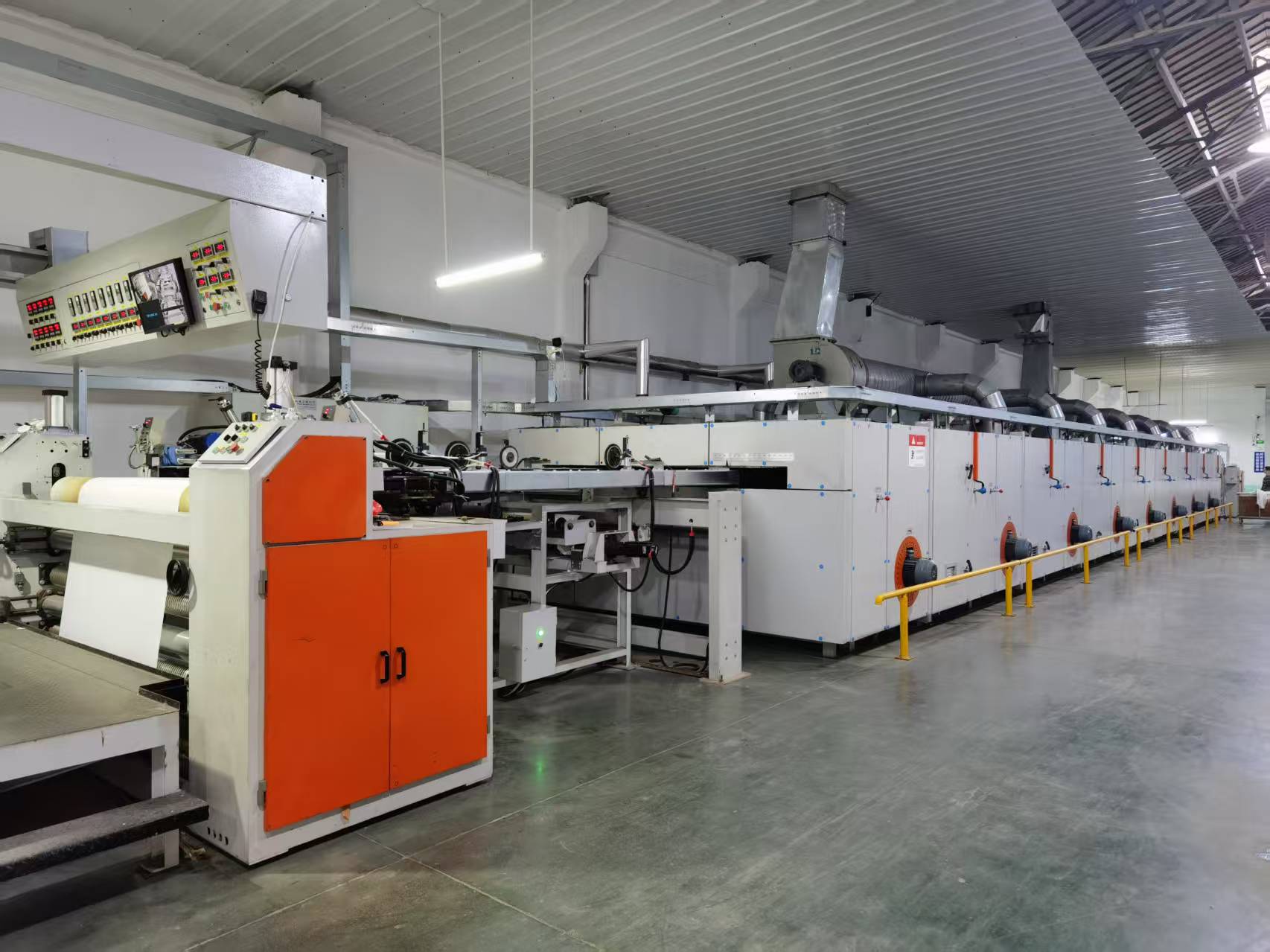
Multi-Function Stenter Machine
Key machine in fabric finishing - heat setting gives fabric stable dimensions, hand feel and appearance.
Frequently Asked Questions
Q: What width and speed are published for this screen stenter?
A: TECH on this page: model ZH928-400; nominal width 120–380 cm; machine speed 5–60 m/min; typical running speed 30–40 m/min; heat source natural gas; oven configured to customer needs. Full fields are in the TECH table—mechanical max is not a process guarantee for every mesh.
Q: Which products does the published USE cover?
A: Mosquito netting, print backing cloth, and industrial filter mesh on polyester, nylon and other synthetic fiber screens—heat setting for dimensional stability, flatness and physical performance.
Q: What do the weft-straightening and tension-feedback patents cover?
A: Public CN118029121A describes a four-roller weft-straightening direction; CN220750679U describes a heating-roller layout with tension feedback. Delivered straighteners and rolls follow the quotation—not every drawing feature by default.
Q: How is this different from the filter-cloth cylinder stenter?
A: This page uses an oven configured to the order with natural gas. stenter-02 is thermal-oil cylinder setting with no oven, extra-wide (100–520 cm) and a much slower speed band for industrial filter cloth.
Q: What should an overseas inquiry include?
A: Fiber type, greige and finished width, mesh/end-use, residual-shrinkage target, heat source, and shift output. Samples shorten chamber and pin-plate design. Call +86 510 83397635 / +86 510 83382635 or email info@xhmachinery.com.
Q: Can the machine be customized, and do you export?
A: Yes. Xinghua custom-builds to your process. Machines run in 20+ countries; installation, operator training, and lifetime technical support are available under contract.